

Apply by 1 November: How QSTP's Sprint-to-Incubation Program Works and the 1.5% Equity
- بواسطة Falak
Qatar Science & Technology Park (QSTP) has rebuilt the way it takes startups in. The old incubator intake has been replaced by a staged pathway that starts with a four-week, in-person Sprint in Doha and only then moves selected companies into Incubation. The next deadline matters: founders who want a place in the January Sprint cohort must apply before 1 November. This guide sets out how the new structure works, who it is designed for, and what the new 1.5% equity term means for your cap table, so you can decide this week whether to apply now or wait for the next round.
The revamped programme launched with its Fall 2026 cohort, which began on 1 September 2026. According to Qatar News Agency and the Qatar Tribune, that first cohort brought together 52 startups, 25 local and 27 international, across 19 sectors including EdTech, MedTech, FinTech, cybersecurity and SportsTech.
The press coverage describes an integrated 16-week pathway in three phases:
QSTP's President, Rama Chakaki, summed up the design philosophy at launch: "great startups are not built through ideas alone" (QNA). In practice, that means the programme is built to filter on evidence. A strong idea gets you into the Sprint; proof of demand and execution gets you into Incubation.
QSTP's Incubate programme page lists three Sprint cohorts a year, with applications accepted on a rolling basis for the next available intake:
Incubation also runs three times a year, in February, June and October, but there is no separate application: completing the Sprint is required to advance, and QSTP selects startups for Incubation based on Sprint performance and readiness.
The Sprint is open to local and international science and technology companies. QSTP's published criteria ask for:
Two points are worth reading closely. First, this is not an idea-stage programme: you need something built or technically validated. Second, the R&D commitment is real. QSTP is Qatar Foundation's science and technology park, so applicants whose product is a light layer on someone else's technology will find it harder to make the case than teams doing genuine technical development.
During the Sprint, QSTP provides hands-on workshops, expert and founder sessions, connections to ecosystem and industry partners, events and networking, and accommodation and workspace in Doha for the four weeks. For international founders, that removes much of the cost of testing Qatar as a market.
In Incubation, support shifts to company building: access to university talent in machine learning, software development, business development and marketing; investor and partner introductions; company registration support; and help securing funding and closing investment and commercial deals. Graduates keep selected alumni benefits, including workspace, community events and partner and investor connections.
Note what is not on the list. QSTP's page does not state a cash investment amount for the programme. It says QSTP supports founders in securing funding by the end of incubation. If you need capital in the next six months, plan your fundraise in parallel rather than counting on the programme to provide it.
The biggest change for founders is the deal term. QSTP states that it takes "1.5% equity from each startup entering the Incubation stage, in exchange for the in-kind services we provide." The equity is deferred and SAFE-style: it appears on your cap table using the same mechanics as a SAFE conversion.
Three practical implications follow (general guidance, not legal advice):
One small inconsistency is worth knowing: at the time of writing, the page's metadata still describes the programme as "equity-free support", while the body text sets out the 1.5% term. Treat the body text and the agreement you are offered as the reference.
Qatar National Vision 2030 commits the country to a diversified, knowledge-based economy. QSTP is one of the main routes for turning science and technology into companies, and the redesign shifts its role from hosting startups to pushing them towards pilots, market entry and investment. For the wider ecosystem, a pipeline that filters on evidence should produce better-prepared companies for Qatar's investors and corporate partners.
Programme details can change between cohorts. Confirm the current terms and deadlines on QSTP's site before applying. QSTP startups can also stretch early budgets with partner benefits; see our guide to making QSTP's Microsoft for Startups credits last.
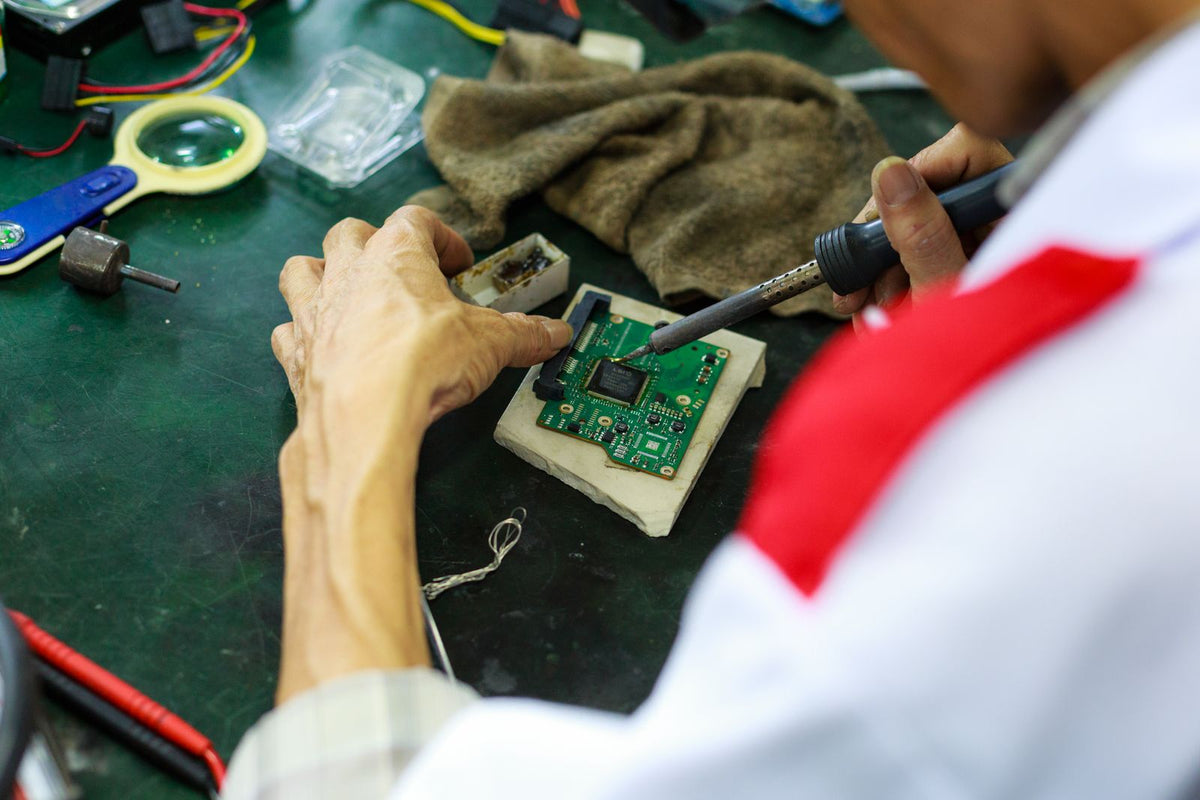
Photo: Quang Nguyen Vinh / Pexels
شارك:
Beating the Heat: Where Startups Fit in Qatar's Cooling, Water and Heat-Resilience Economy
Ten Slides, One Idea Each: Building a Seed Pitch Deck That Works in Doha