

Getting Paid in Qatar: Cards, QPay, Fawran and Payment Gateways for SMEs and Startups
- بواسطة Falak
In May 2026, shoppers in Qatar made 12.6 million e-commerce transactions, a third more than a year earlier. Yet the total value of those online payments was slightly lower, at QR3.909 billion against QR3.965 billion, according to Qatar Central Bank (QCB) data reported by The Peninsula. Customers are paying digitally more often and in smaller amounts. At the same time, QCB's instant payment service Fawran is growing even faster. For an SME owner or founder, the question is no longer whether to accept digital payments but which mix of channels to offer, at what cost, and with which licensed provider. This guide sets out the options.
The QCB figures show three clear trends:
The practical message: a business that only takes cash, or only takes cards in store, is missing a growing share of how customers want to pay.
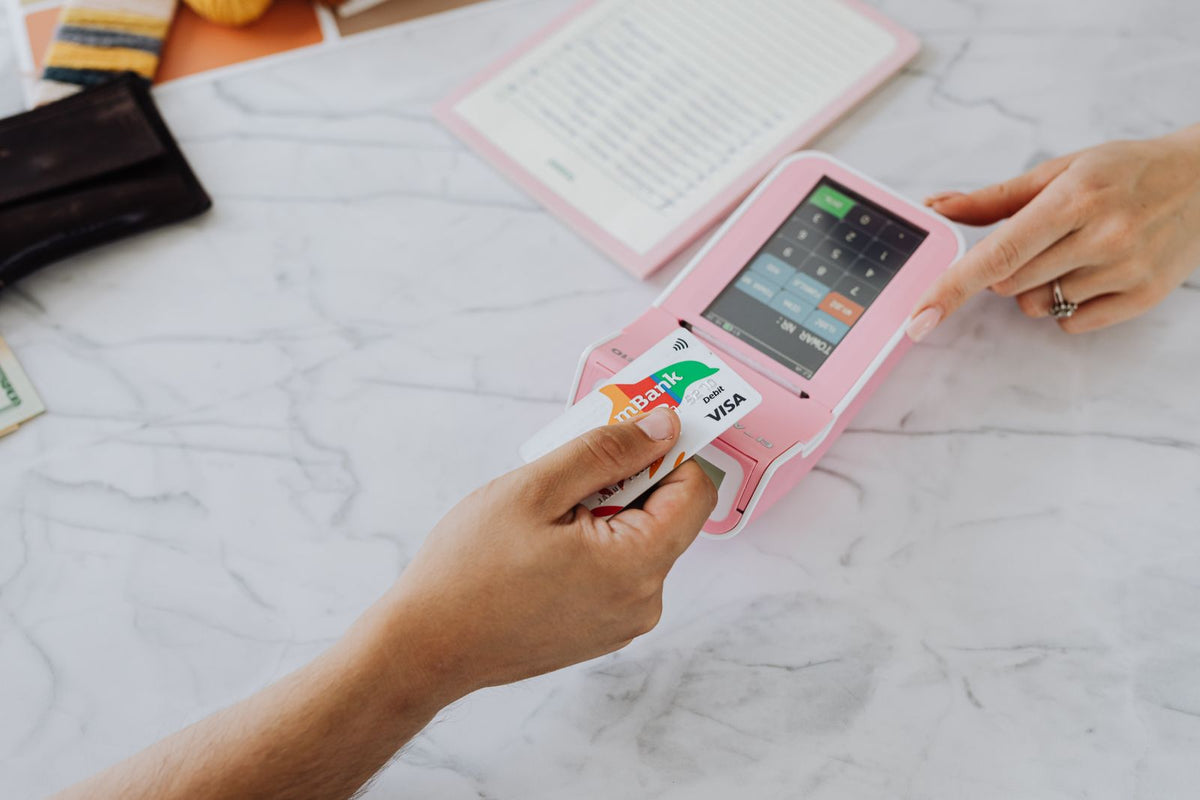
1. Bank POS terminals (card acquiring). Your bank or another acquirer provides terminals that accept debit and credit cards in person. This is the default for shops, restaurants and service counters. Ask about the fee per transaction, terminal rental, how quickly funds settle to your account, and whether the terminal supports contactless and mobile wallets.
2. Licensed payment gateways and payment service providers (PSPs). These connect your website, app or invoice links to card and other payment networks. Under QCB's Payment Services Regulations (Circular No. 23 of 2021, in force since 15 September 2021), services such as merchant acquiring, e-money issuance, local fund transfers and payment portals need prior QCB authorisation, while licensed banks are exempt, as Al Tamimi & Company summarises. The local market has grown steadily: QCB's licence to Tess Technology in May 2024 brought the number of fintech companies under its supervision to 11 (Qatar Tribune). In September 2026, QCB began allowing PSPs to connect directly to its real-time gross settlement system, QA-RTGS, with SADAD and Dibsy the first two to join (Qatar Tribune). Dibsy was also the only Qatari company on Forbes Middle East's 2026 Fintech 50, with payment volume up 112% in Q1 2026 (Gulf Times).
3. QPay, the national e-commerce gateway. QPay is Qatar's National E-Commerce Gateway. In October 2024, QCB announced that customers could pay through QPay using Fawran, without a bank card, starting with Doha Bank (Gulf Times).
4. Fawran instant payments. Fawran is QCB's round-the-clock instant payment service, which lets customers pay using a mobile number or alias. Merchants in Qatar must register for Fawran to accept customer payments (Gulf Times). Businesses can register using an establishment ID, commercial registration or commercial licence (Qatar Tribune). QCB's Request to Pay feature, launched in July 2024, lets the payee send a payment request that the payer accepts or rejects, with funds moving instantly on acceptance (The Peninsula). For B2B invoices and service businesses, that is a useful alternative to chasing bank transfers.
The following checklist is general guidance; terms vary by provider and change over time, so get them in writing:
QCB positions Fawran and its other payment upgrades as part of the Third Financial Sector Strategy, aiming to offer more payment options, reduce reliance on cash and lower its associated costs (Gulf Times). That supports the competitive, diversified economy set out in Qatar National Vision 2030 and NDS3. For SMEs, digital payments also create a clean transaction record, which helps when applying for finance or speaking to investors.
Photo: Karola G / Pexels
شارك:
Default Alive or Default Dead? Unit Economics and Runway Maths for Qatar Founders
130 Startups, QR178m in Revenue: Reading MCIT's Digital Startup Scorecard