

18% on Chicken, 15% on Tomatoes: What Qatar's New Food Tariffs Mean for Agri-Food SMEs
- بواسطة Falak
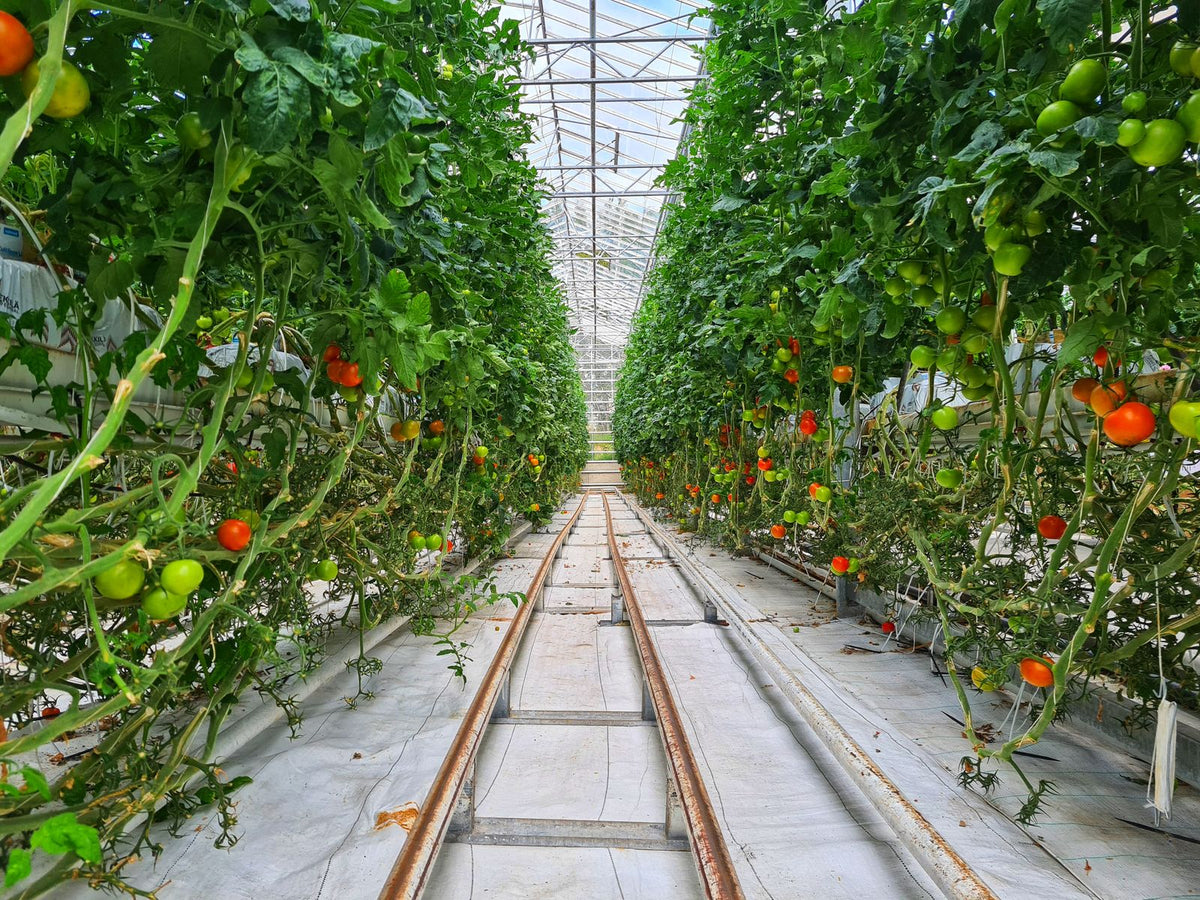
When a Qatari greenhouse farm brings its winter tomatoes to market in January, it has until now competed with imports that paid no customs duty. From this season, some of those imports will pay 15%. Amiri Decree No. 45 of 2026 raises the customs tariff on fresh and chilled chicken and puts a seasonal tariff on imported tomatoes, eggplants and zucchini during the months local farms are harvesting. The higher rates took effect in mid-November, 60 days after the decree's publication. The zucchini and eggplant windows are already running, and the tomato window opens in January. For growers, poultry producers, importers, restaurants and agritech startups, the details matter more than the headline: which products, which months and, crucially, which countries are exempt.
The decree was published in the Official Gazette on 16 September 2026, and the new rates apply "60 days after the date of publication", which places the start in mid-November. Falak did not find a Customs announcement giving an exact calendar start date, so businesses with shipments around that point should confirm with the General Authority of Customs. According to EY's tax alert, the changes are:
The seasonal windows, as reported by The Peninsula's Gazette coverage and Customs' schedule in Al Raya, are:
One discrepancy is worth knowing. The Peninsula's English report of Customs' later clarification lists eggplants for January to April only. The Arabic schedule and the Gazette coverage both include November to December. If you import eggplants in those two months, confirm the rate with Customs before you price a shipment. Frozen chicken is not mentioned in any of the coverage Falak reviewed; the change applies to fresh or chilled chicken.
The most important detail came a week after the decree. On 24 September, the General Authority of Customs clarified that the higher tariffs "apply only to imports from countries that are not covered by exemptions under applicable preferential agreements". The exempt origins it listed are:
In practice, the tariff falls on chicken and seasonal vegetables from origins outside these lists. Whether a particular shipment qualifies for an exemption will depend on the agreement's rules of origin and the paperwork, which is a question for your customs broker.
The analysis below is general guidance. No published source Falak found measures the effect of the tariff on prices, so it makes no prediction about retail prices.
Local vegetable growers and greenhouse farms. During the covered months, competing produce from non-exempt origins now carries a 15% duty. That widens the price window for local tomatoes, eggplants and zucchini, but only against some competitors. Produce from exempt neighbours such as Saudi Arabia, Jordan or Türkiye is unaffected. The practical opportunity is for farms that can supply consistent volume and quality through the whole season. "The Growing Season Opens" looks at the season from the grower's side.
Poultry producers. The year-round 18% rate applies to chilled chicken from non-exempt countries. Local fresh poultry is already close to meeting national demand: the Ministry of Municipality reported 99% self-sufficiency in fresh poultry and dairy in its 2025 indicators. For local producers, the tariff mainly affects competition at the margin, for example on specific chilled cuts.
Importers and distributors. Review your supplier mix by origin. For affected products, the same item may now carry 0% from one country and 15% or 18% from another. EY advises businesses to assess the effect on import costs, pricing, procurement and supply chains.
Restaurants, caterers and cloud kitchens. Check where your distributor sources chilled chicken and seasonal vegetables, and ask whether prices will change between January and May. Factor this into menu costing alongside Ramadan, which is expected to fall in February; see the Ramadan prep plan for supplier timing.
Agritech startups. Policy that favours local seasonal supply increases the value of tools that help farms hit volume and quality targets: yield and climate control, cold chain, demand forecasting and farm-to-buyer marketplaces. "Smaller Farms, Smarter Farms" maps where those startups fit.
The tariffs sit alongside Qatar's National Food Security Strategy 2030, which the Ministry of Municipality launched in December 2024. According to The Peninsula's report of the strategy, it targets 55% self-sufficiency in local vegetable production by 2030, alongside full self-sufficiency in fresh chicken and dairy. The ministry's 2025 indicators put self-sufficiency in basic vegetables at 47%, and it is building 96 hectares of cooled greenhouses with a target of increasing productivity by 30%, according to the Qatar Tribune.
That gap between 47% and 55% is where the seasonal tariff is aimed. Qatar National Vision 2030's environmental and economic pillars both depend on using water and land efficiently, so the growth is expected to come from protected, hydroponic and higher-yield farming rather than simply more open fields. For SMEs, the decree is a clear signal that local seasonal production is a policy priority.
This article is general information, not legal or customs advice. Confirm rates, dates and exemptions with the General Authority of Customs or a licensed customs broker.
Photo: Lyn Ong / Pexels
شارك:
How Much Should You Pay Yourself? Founder Salaries for Qatar Startups, Stage by Stage
One in Three Series A Rounds Is a Bridge: When Qatar Founders Should Raise an Extension