

Protect It Before You Pitch It: Trademarks, Patents and Copyright for Founders in Qatar
- بواسطة Falak
Most founders find out what their intellectual property is worth at an awkward moment: during due diligence, when an investor asks who owns the code, whether the brand is registered, and what stops a competitor from copying the core technology. In Qatar, all three questions now have clear, mostly digital answers. The cost of getting them right early is modest compared with the cost of fixing them in the middle of a funding round. This guide sets out what to protect, which route to use, what it costs and how long it takes, so you can file before you pitch rather than after.
For technology startups, IP is often the main asset on the balance sheet. The WIPO Global Innovation Index 2026 finds that "50 percent of deep science startups hold patents, against 15.4 percent of other startups". It also finds that patent use rises with maturity, from about 43% of ventures at seed stage to 69% at late stage. Not every startup needs a patent. But a clean, documented IP position (registered marks, filed inventions, and code that clearly belongs to the company) is part of what makes a company investable.
Qatar's system has three main pillars, all run through the Ministry of Commerce and Industry (MOCI): trademarks, patents and copyright.
Your brand is usually the first thing to register, and the cheapest. According to a detailed Qatar Living guide based on MOCI guidance (updated September 2026), the process has five steps:
That comes to about QAR 4,500 per class, and each extra class adds fees at each stage. Protection lasts 10 years and can be renewed for further 10-year periods. Five consecutive years of non-use without adequate justification exposes the mark to challenge. Register in the classes that match your actual products and services, then extend as you grow.
Patents in Qatar are governed by Decree-Law No. 30 of 2006. An invention must be new, involve an inventive step and be capable of industrial application. Founders should note one key exclusion: "computer programs as such" cannot be patented. A software product is usually protected by copyright and trade secrets, with patents only for genuinely technical inventions that the software implements.
Patent fees were cut under Ministerial Decision No. 60 of 2024. For a company, application and technical examination costs QAR 5,000 and grant and publication costs QAR 1,600, so the main fees come to about QAR 6,600 through grant. An optional pre-filing technical search costs QAR 400. Annual maintenance fees then apply from year 2 to year 20. Individuals pay half these amounts.
The main issue is time. Qatar Living cites an indicative processing time of 60 to 72 months, so a patent filed after you launch may not be granted until the company is several years old. Patentability depends on novelty, and public disclosure (a demo day, a pitch deck sent around, a conference paper) can destroy it. File before you pitch.
For international protection, Qatar has been a member of the Patent Cooperation Treaty (PCT) since 2011. One PCT application preserves your right to seek protection in many countries and buys time before the expensive national-phase filings. Qatar's patent regulations include specific rules for PCT national-phase entry.
Copyright arises automatically, but registration gives you evidence when you need to enforce it. Qatar's Law No. 7 of 2002 on the Protection of Copyright and Related Rights lists computer programs among protected works, alongside literary, artistic and audiovisual works. Protection generally lasts for the author's life plus 50 years.
MOCI has also made copyright registration digital. In April 2026, the ministry launched five new IP e-services, bringing its online IP services to seven. They cover copyright registration and deposit certificates, certificate issuance, amendments and waivers. The intended users include software developers, authors, composers, architects, performers and broadcasters. For a startup, registering the core codebase or a flagship creative work is now a short online task.
Qatar joined the Madrid Protocol, WIPO's international trademark system, with effect from 3 August 2024. Founders can now use a single international application to designate many member countries, or designate Qatar from an application filed abroad. Madrid is a centralised filing system, not a worldwide trademark: each designated country still examines the mark under its own law. Qatar Living reports Qatar's individual designation fee as CHF 984 per class from November 2025. If you plan to expand across the GCC or further afield, compare Madrid costs with direct national filings before you choose.
Qatar National Vision 2030 aims for a knowledge-based economy, and the Third National Development Strategy calls for an innovation system "mainly led by the business sector". Startups only create lasting value from that innovation if they own it. Membership of the PCT and Madrid systems, lower patent fees and digital copyright registration all make it cheaper for Qatar-based companies to secure their assets and take them abroad.
The steps below are general good practice for early-stage companies, not legal advice. Use a registered IP agent or lawyer for anything complex.
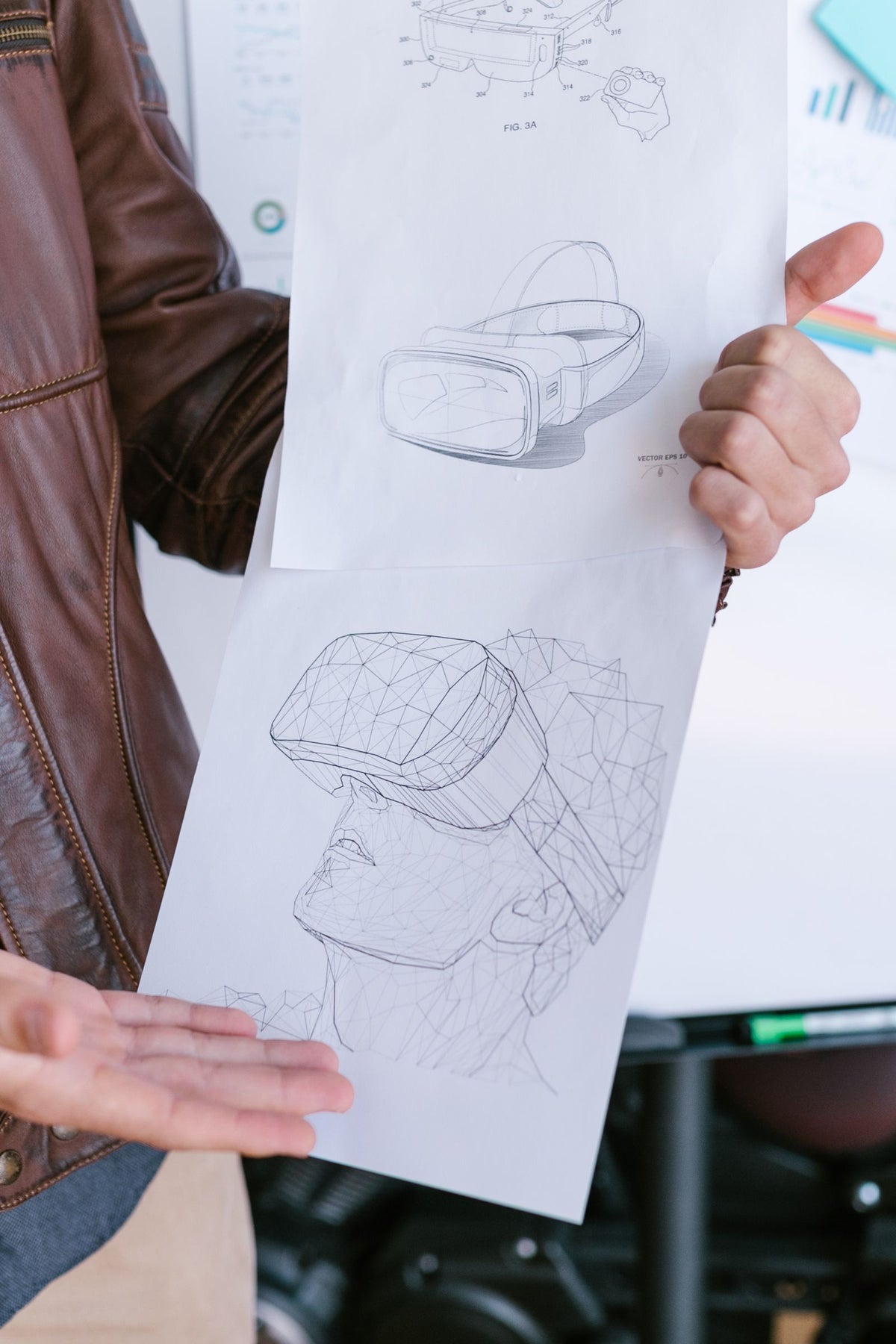
Photo: RDNE Stock project / Pexels
شارك:
Inside QSTP's US$30m Tech Venture Fund: Who Qualifies and How Co-Investment Works
Building a Gaming or Content Startup in Doha: What Media City Qatar Offers