

Beyond the Big Programmes: How Doha's Founder Communities Open Doors
- by Falak
Qatar's formal startup support is substantial: funding programmes, incubators, science parks and a national platform in Startup Qatar. But many founders find that the first customer, the right co-founder or the introduction to a corporate buyer comes through a person, not a programme. In a market where relationships carry real weight, grassroots founder communities have become a practical second layer of the ecosystem. Two recent developments in Doha show what these networks can offer, and how founders can use them well alongside the institutional routes.
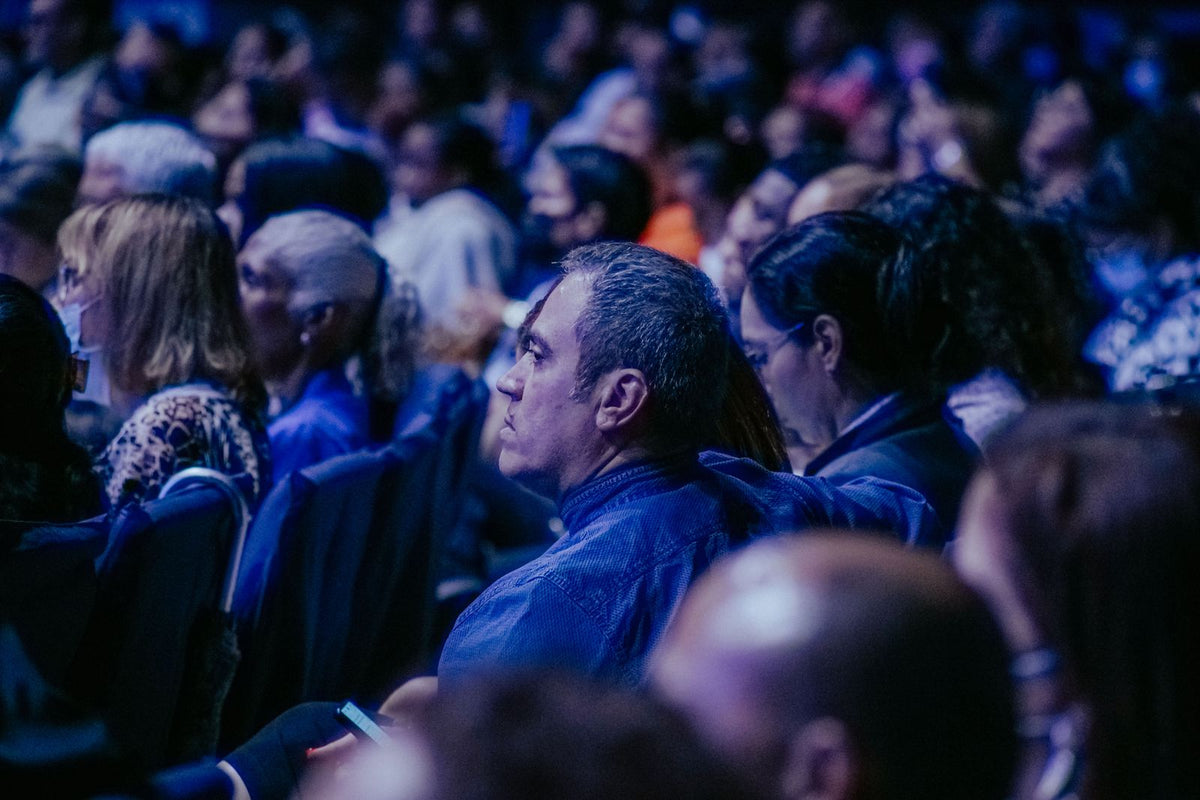
At the end of October, more than 400 entrepreneurs, founders, investors, technology professionals and industry experts gathered at Nestwork Grand Hamad in Doha for Tribe TechFest 2026, organised by Builders Tribe. The event focused on collaboration between Qatar, the wider GCC and Africa, with attendees from countries including Qatar, Nigeria, India, Pakistan, Sudan, the Philippines, Sri Lanka and Egypt.
Its most useful feature for early-stage companies was the TechFest Consultation Hub, nicknamed "Tech Wasta". According to The Peninsula, it drew more than 80 applications, and 12 startups were selected for dedicated consultations. Several participating startups secured introductions to stakeholders associated with QatarEnergy, Kahramaa and Qatar Foundation. Specialists on hand included representatives from Qatar Science and Technology Park and Snoonu. The organisers plan follow-ups, including a founder delegation to Web Summit Qatar 2027.
Keep expectations accurate: the report describes introductions, not signed contracts. That is what communities do best. They shorten the path to a first conversation, and the founder still has to turn it into a pilot.
Startup Grind Doha is the local chapter of a global startup community present in 120 countries. It hosts monthly events in Doha to teach, inspire and connect entrepreneurs, and offers a free membership with access to networking, events, mentorship and office hours. Recent sessions have included a QSTP x Replit buildathon and a speaker series on scaling.
In October, the chapter announced a partnership with Qatari super app Rafeeq, which offers delivery, logistics, e-commerce and lifestyle services across Qatar. Rafeeq says it has approximately 130,000 monthly active customers and more than 7,000 partner businesses, and the partnership offers early-stage founders integration and pilot-testing opportunities on its logistics and e-commerce infrastructure. The two plan joint founder sessions, community events and technical collaboration in the coming months. No terms or timelines have been published, so treat it as an opportunity to explore, not a guaranteed programme.
The value of founder communities is supported by research. Endeavor Insight, which has studied entrepreneurial networks across many markets, found that investment and mentorship from individual founders can spark generations of new entrepreneurs, and that previous employment, mentorship and angel investment from successful founders help companies scale. Endeavor calls this the Multiplier Effect: high-growth entrepreneurs who pay it forward to the next generation, with just a few such companies able to jumpstart an ecosystem. Its research also found that founders connected to global hubs had a better chance of growing to 100 or more employees in the sector studied.
For Qatar, that suggests community events are not just social occasions. They are where experienced founders, operators and investors pass on knowledge and connections, which is how ecosystems compound.
Communities do not replace institutional support. They help founders reach it in better shape. QDB's Startup Qatar Investment Program alone received more than 2,500 applications from more than 60 countries in its first round, according to QDB's CEO. In a field that competitive, a founder who has tested a pitch with peers, met programme staff informally and secured a small pilot stands out.
A sensible way to think about the two layers, as general guidance:
Communities are especially useful for expatriate and diaspora founders who arrive without a local network. Events like TechFest, with a GCC–Africa focus, make that first circle of contacts much easier to build. If corporate pilots are your goal, pair community introductions with structured routes such as Qatar Open Innovation or platform programmes like talabat grow and QSTP.
Qatar National Vision 2030 aims for a diversified, knowledge-based economy, and the Third National Development Strategy gives startups a measurable role. QDB's CEO has described an NDS3 target of direct investment in emerging and technology companies of about 0.1% of GDP by 2030, with the private sector expected to provide 70% of it. Reaching that depends on a steady flow of investable companies and on private investors who know the founders. Community networks help build both, and help attract and keep the entrepreneurial talent the strategy needs.
Photo: Luis Quintero / Pexels
Share:
Does Your Curve Flatten? Cohort Retention and Net Revenue Retention for Qatar Startups
The Leadership Paradox: The Higher You Rise, the More You Must Learn to Let Go