

Free Accounts, a 0.5% Card Fee, QR25 POS Cap: QCB's New Bank Fee Limits for Micro-Firms
- by Falak
For a café, a home-based designer or a three-person trading company, bank charges are rarely the biggest line in the budget, but they are one of the most persistent. A monthly fee for a low balance, a POS rental, a few hundred instant transfers, a returned cheque: each is small, and together they add up to real money that does nothing for the business. On 17 November, Qatar Central Bank (QCB) issued its Guide on Bank Commission and Fee Ceilings Collected from Individuals and Micro-Enterprises, which sets maximum charges for the everyday services the smallest firms use. This is the moment to take out your bank's tariff and compare it line by line.
This explainer covers the micro-enterprise section of the guide, what it means in practice, and the questions to put to your bank. It is general information, not financial advice.
According to QCB's statement, the guide is in line with the Third Financial Sector Strategy and aims to enhance transparency, protect customer rights and promote financial inclusion, while keeping banks able to deliver services "efficiently and sustainably" (QNA). It covers five categories: deposits and accounts; debit cards (NAPS/Himyan) and credit cards; credit facilities; fund transfers; and cheques.
Three points matter before reading the numbers:
As a reference point, Qatar's National SME Definition (Ministerial Decision No. 250 of 2018) describes a micro-enterprise as having up to 10 staff and annual turnover not above QR1 million (Gulf Times). Whether banks apply that same test under the new guide is a question to confirm with them.
The micro-enterprise tables (guide, pp. 22–23) set these ceilings:
For a new founder, the first line is the most significant: a bank account with no minimum balance removes one of the most common early frictions. Our guide to your first business bank account in Qatar covers the documents you will still need.
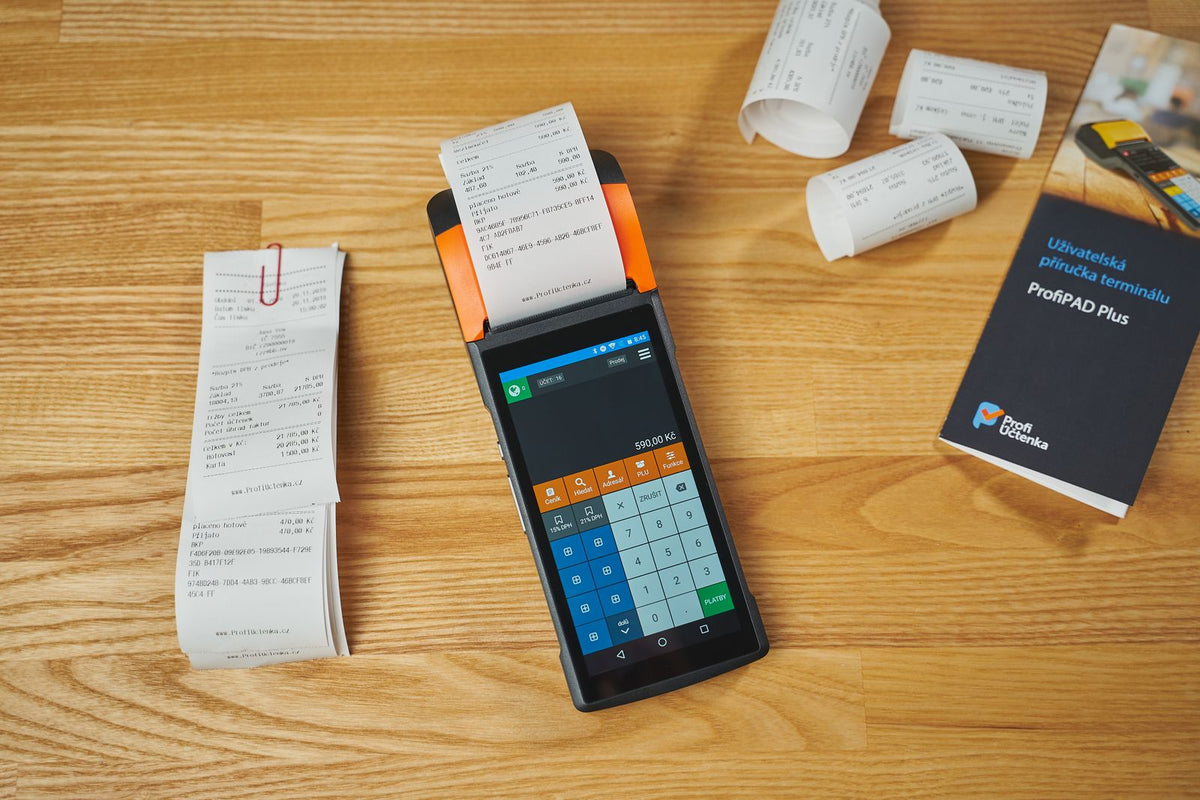
This is where the guide is most directly useful for shops, restaurants and service businesses (guide, pp. 23–24, 27):
If you sell mainly by card, the 0.5% ceiling is the number to check first: on QR40,000 of monthly card sales, every 0.5 percentage point is QR200 a month. For how card, wallet and Fawran usage is shifting, see Fawran, Cards or Wallets? and Getting Paid in Qatar.
The cheque figures are a reminder that the most expensive line in the guide is avoidable. Moving recurring supplier payments to transfers or standing instructions removes the risk entirely.
First debit and prepaid cards, PIN reissue, renewal and withdrawals at other banks' ATMs inside Qatar are free; replacement or additional cards are capped at QR50; ATM withdrawals elsewhere in the GCC cost up to QR6, and outside the GCC up to QR15. On credit facilities, cancelling after approval, replacing collateral, changing repayment cheques and requesting letters are free, and deferring an instalment or rescheduling carries no fixed fee, only interest or profit for the additional period (guide, pp. 24–26).
The guide also complements QCB's recent move to let banks finance micro and small firms against POS revenue, covered in Revenue as Collateral: cheaper POS acceptance and documented card revenue reinforce each other.
QCB ties the guide to its Third Financial Sector Strategy and its ESG and Sustainability Strategy, both aimed at financial inclusion, and to reducing reliance on traditional channels through digital transformation (guide, p. 4). That sits squarely with the Third National Development Strategy's push for a larger, more productive private sector. Micro-firms are where many Qatari founders start, and lowering the fixed cost of a bank account and digital acceptance makes it cheaper to formalise, accept cards and build a digital transaction record. For the regional side of the same story, see AFAQ Explained.
This article is general information, not financial advice. Fees, classifications and dates should be confirmed with your bank and QCB.
Photo: Hook Tell / Pexels
Share:
One in Three Series A Rounds Is a Bridge: When Qatar Founders Should Raise an Extension
Down 11.8%, but Retail and Hospitality Grew: Reading Qatar's First Flash GDP as a Founder