

From Doha to Riyadh: A Qatari Startup's Guide to Entering Saudi Arabia
- by Falak
Trade between Qatar and Saudi Arabia reached about USD 1.98 billion in 2025, up 36% on the previous year, and grew a further 18% in the first quarter of 2026, ahead of a 15% target, according to the Qatari-Saudi Coordination Council's economy committee. Ministers on that committee named SMEs and private-sector activity as priorities. The Saudi market has also become the region's busiest venture market: MAGNiTT data reported by Arab News put Saudi VC funding at USD 1.72 billion across 257 deals in 2025. For a Qatari startup that has proven its model at home, Riyadh is usually the next move. The hard part is not deciding to go. It is choosing the right structure before you sign a lease, hire a country manager or bid for a contract.
This article is general guidance, not legal or tax advice. Saudi rules change often; confirm your structure with Saudi counsel and a tax adviser before you commit.
Most Qatari founders choose between three routes. Each has a different cost, risk and level of control.
A practical rule of thumb (general guidance): use a distributor to validate demand, a branch when revenue is real but modest, and a subsidiary once you plan to hire locally, raise Saudi capital or carry significant contract risk.
GCC ownership is the single biggest variable in how Saudi Arabia treats you, and it is where many Qatari startups get caught out.
The implication: if your Qatari company has taken money from a foreign VC, angel or accelerator, your Saudi entity may no longer be treated as GCC-owned. That can change your licensing path and add income tax on the foreign share. Model your cap table, including convertible instruments that may turn into equity, before choosing the vehicle. Withholding tax may also apply to payments that cross the border, such as management fees or royalties paid back to Doha, so plan intra-group charges early.
For a branch, the Al Muzayen guide lists the core documents:
Al Madani Law adds that GCC company documents (introductory letter, recent commercial registration, articles of association) must be certified by the Saudi embassy or commercial attaché. It describes the typical sequence: reserve a trade name on the Meras platform, choose the legal form and activity, notarise the incorporation documents, obtain the commercial registration from the Ministry of Commerce (which opens a ZATCA zakat and tax file automatically), register with GOSI if you employ staff, obtain a municipal licence through Balady, and open a bank account. A founder outside the Kingdom can act through a Saudi representative with a notarised power of attorney.
The most common delay is inconsistent records: names, capital figures or activity descriptions that differ between your Qatari registration, articles and resolution. Align them before you start.
From the start of 2024, Saudi state entities were barred from contracting with foreign commercial companies whose regional headquarters is outside the Kingdom. In February 2026 the Local Content and Government Procurement Authority set out an exemption mechanism, reported by Arab News and Gulf News:
The sources do not say clearly whether GCC-owned firms count as "foreign" for this rule. Ask Saudi counsel before you build a public-sector pipeline. For most early-stage startups, the SAR 1 million exemption and private-sector customers are the realistic starting point. A full RHQ is designed for larger groups: the programme offers a 30-year 0% rate on corporate income tax and withholding tax for approved RHQ activities, according to the Saudi Press Agency, and more than 700 multinationals had moved regional headquarters to Riyadh by early 2026, according to Arab News.
Regional expansion is not a departure from the national agenda. It is part of it. Qatar National Vision 2030 calls for a diversified economy that enhances the role of the private sector, and for coordination with GCC states to build trade, investment and financial ties. The bilateral committee's focus on SMEs, supply-chain integration and joint credit solutions shows that both governments see cross-border private-sector growth as a shared goal. Qatari startups that scale into Saudi Arabia while keeping their base, IP and headquarters in Doha are exactly the kind of regional growth stories the national startup agenda aims to produce.
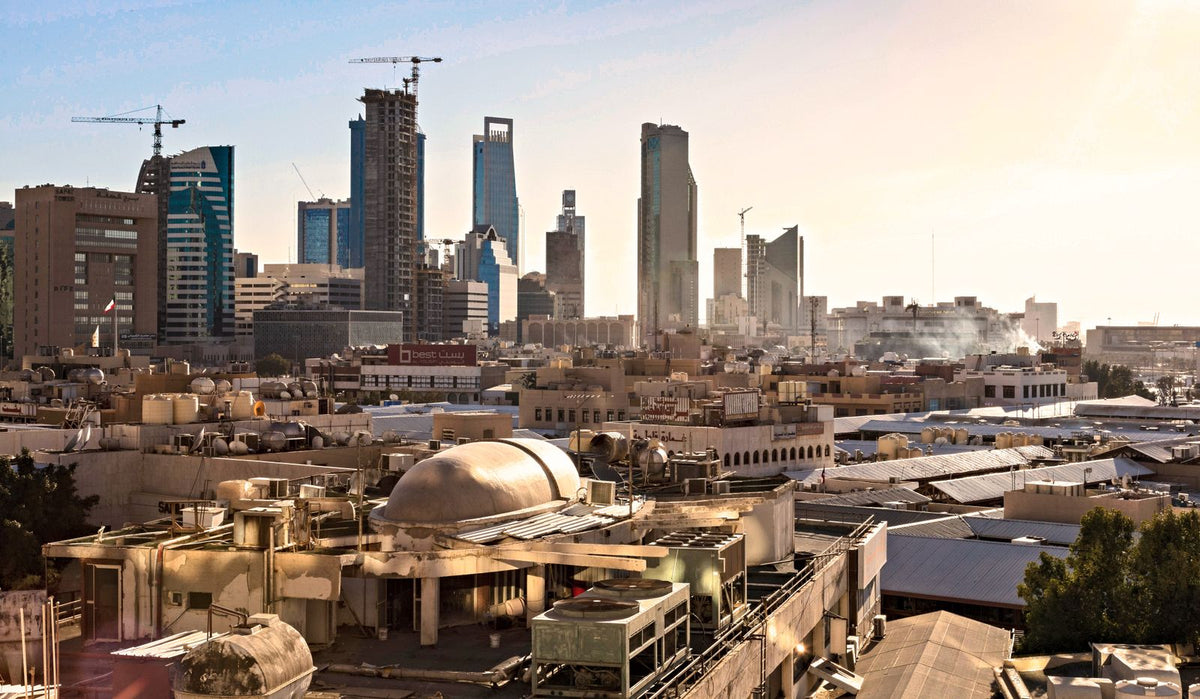
Photo: Tayssir Kadamany / Pexels
Share:
Smaller Farms, Smarter Farms: Where Agritech Startups Fit in Qatar's Food Security Push