

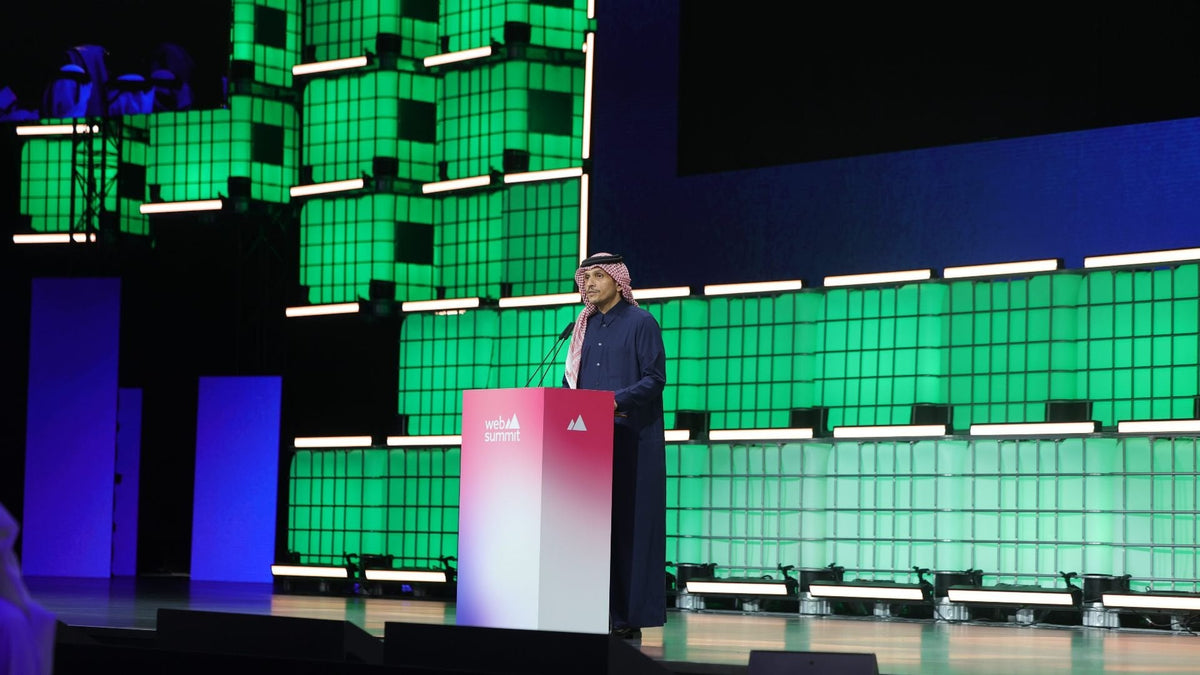
QR1bn from Four Days: What Web Summit Qatar's Impact Report Says About Qatar's Startups
- by Falak
QR1.02 billion is the headline. According to a report by advisory firm Silverlode, reported by Gulf Times on 2 November, Web Summit Qatar 2026 generated “approximately QR1.02bn in direct and indirect economic returns, a 26% increase over the previous edition.” For a four-day event, that is a strong figure. For founders and investors, the more useful question is what it shows about how Qatar's startup strategy works, and where event-driven attention still needs to become lasting companies and capital. This piece sets the impact figures beside the ecosystem data and considers what they do and don't show.
According to the Gulf Times coverage, Silverlode's main findings were:
Two caveats apply. First, this is an economic impact study, and the coverage describes “direct and indirect” effects without a full public methodology, so the figures should be read as the study's estimates rather than audited outcomes. Second, the official numbers vary depending on who is counting. The Government Communications Office's closing release reported “a record 30,274 participants from 127 countries, an 18% increase compared to last year, alongside close to 1,000 investors,” and quoted Web Summit CEO Paddy Cosgrave citing “a 27% increase in investors.” The direction is the same in every version: up. The size of the increase depends on the source.
Startup Qatar's own figures give a longer view. In its release on the 2026 UN Investment Promotion Award, Invest Qatar says the initiative “has facilitated the establishment of over 850 startups in Qatar.” It also reports more than 10,000 applications across its programmes and more than 50 startups that together secured over US$100 million in funding. Founders can connect with “16 venture capital funds that have established in Qatar through Qatar Investment Authority's Fund of Funds programme”, and more than 500 startups have used that facility. The Hub covered how to use the Gateway in a separate guide.
On local venture activity, Dealroom reports that Qatar's VC market “reached QR214 million across 33 deals in 2025, up 81% year over year.” This is a fast growth rate, but from a small base. The regional market is volatile. Wamda counted US$1.65 billion of MENA startup funding in the third quarter of 2026, up 108% on the previous quarter but about 63% below the same period last year, with roughly US$3.4 billion raised across the first nine months. Regional trackers use different methods and often disagree, but the overall picture is a cautious capital market.
The following is analysis, not data from the report. The figures above show the start of a pipeline:
Other recent data points in the same direction. The Hub's readings of QFC's H1 2026 registrations, StartupBlink's 2026 index and MCIT's digital startup scorecard all show a system that is good at attracting entrants and still building the depth that turns them into scale-ups.
Under Qatar National Vision 2030 and the Third National Development Strategy, events like Web Summit are tools for diversification and inward investment, not ends in themselves. The impact report shows the tool is working at the top of the pipeline. Measuring the next stage, such as company survival, local jobs and follow-on rounds, would show whether it compounds. For policy readers, that suggests tracking event-linked companies over 12 to 24 months. For investors, it means the deal flow is arriving, and the opportunity lies in backing the companies that stay and grow.
The following is general guidance:
Photo: Ufoma Ojo / Unsplash
Share:
1x, Participating or Stacked? Reading the Liquidation Preference in Your First Term Sheet