

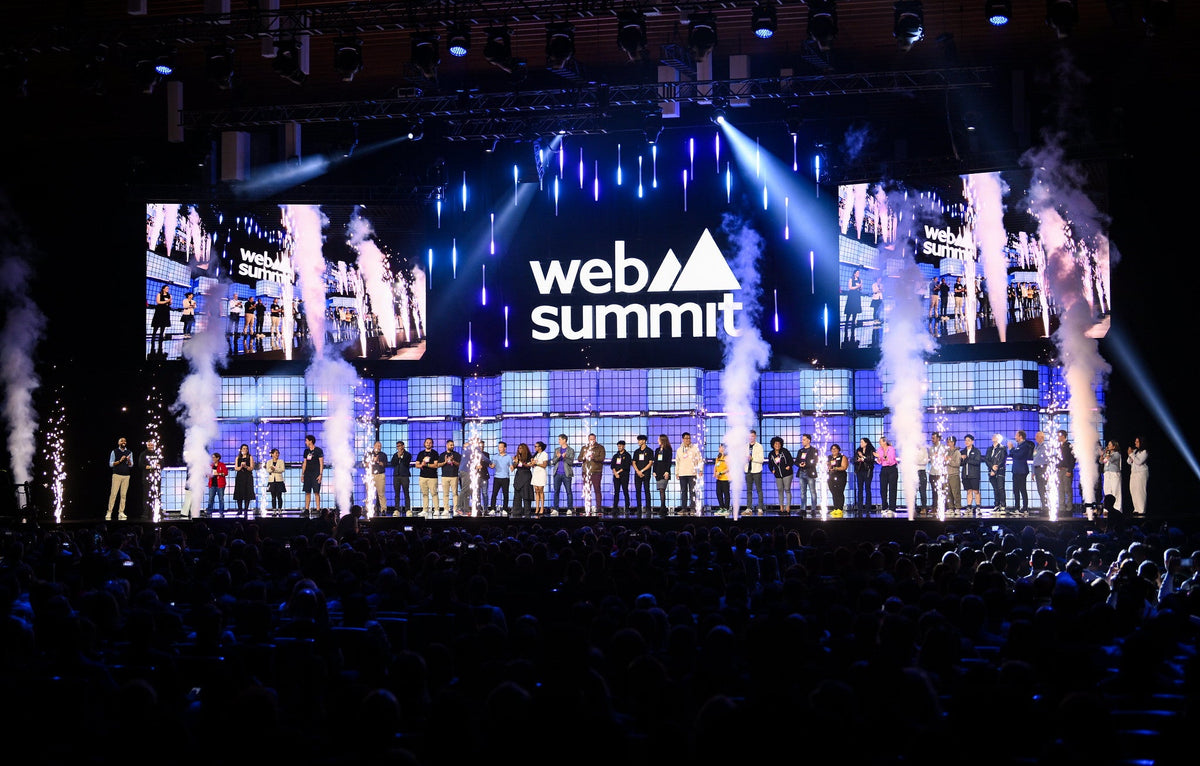
Web Summit Qatar 2026 Delivers QAR 1.02 Billion in Economic Returns, Up 26% Year on Year
- by Falak
Doha, Qatar — November 2, 2026. Web Summit Qatar's third edition generated QAR 1.02 billion in direct and indirect economic returns, a 26% increase on the previous edition, according to a new report by global advisory firm Silverlode. Held in Doha from February 1 to 4, the summit drew more than 30,000 participants from 127 countries — its largest turnout since launching in the city in 2024 — and contributed an estimated QAR 661 million to GDP, up 25% year on year.
Silverlode's report ties the jump in returns to both the scale of the event and what attendees spent while they were in Doha. Total visitor spending reached roughly QAR 341.1 million, with participants spending an average of QAR 2,525 per day and staying in Qatar for an average of six days. The summit's footprint translated into around 86,000 hotel room nights and roughly 26,000 airline tickets booked, across a venue spanning 86,200 square metres.
The guest list grew alongside the spending: more than 930 investors took part, up 55% on the previous edition, and more than 840 journalists covered the event, up 40%. A total of 1,637 startups exhibited or pitched, including 247 Qatari companies — a roughly 30% increase in local participation year on year.
The report's more telling numbers sit past the attendance figures. More than 300 companies registered with the Qatar Financial Centre during the summit, and close to 2,300 businesses applied for licences in Qatar in its wake, concentrated in digital transformation, fintech, consulting services, project management, and innovation. Those are the metrics that separate a successful conference from one that actually feeds a country's pipeline of new companies.
"The report confirms that Web Summit Qatar has become a strategic platform and an economic driver that supports our diversification goals and strengthens the competitiveness of the national economy," said Sheikh Jassim bin Mansour bin Jabor Al Thani, Director of the Government Communications Office and Chairman of the Permanent Organising Committee for Web Summit Qatar. He added that the figures reflect growing international business confidence in Qatar's investment environment, digital infrastructure, and innovation ecosystem.
Hamad Madi Al Hajri, who represents the Ministry of Finance on the organising committee, said the summit "generated more than QAR 1 billion in economic returns and contributed around QAR 661 million to GDP," pointing to visitor spending and the resulting demand for hospitality, aviation and transport services as evidence of the event's reach across multiple sectors of the economy.
For Falak's audience, the number worth sitting with is 247 — the Qatari startups that took part this year, up roughly 30% on the previous edition. Attendance and headline economic figures measure how big the summit was; licensing applications and QFC registrations measure whether it converted into something that outlasts the four days in February. Taken together, they point to Web Summit Qatar settling into a role beyond a marquee event: a recurring entry point that funnels founders, investors and new company filings into Qatar's wider innovation economy, in line with the diversification goals set out in the Third National Development Strategy and Qatar National Vision 2030.
This article is based on a QNA report carried by Al Raya and Qatar Tribune (November 2, 2026).
Follow us for more:
Falak is a one-stop digital platform for entrepreneurship and innovation in Qatar, bringing together startups, entrepreneurs, and innovators to access resources, and navigate the Qatari entrepreneurial ecosystem. Whether it's news, market insights, a startup directory, startup job opportunities, or expert consultations, you will find it on Falak!
Join Falak and take your entrepreneurial journey to new heights!
Share:
Rafeeq and Startup Grind Doha Partner to Back Qatar's Next Generation of Tech Founders