

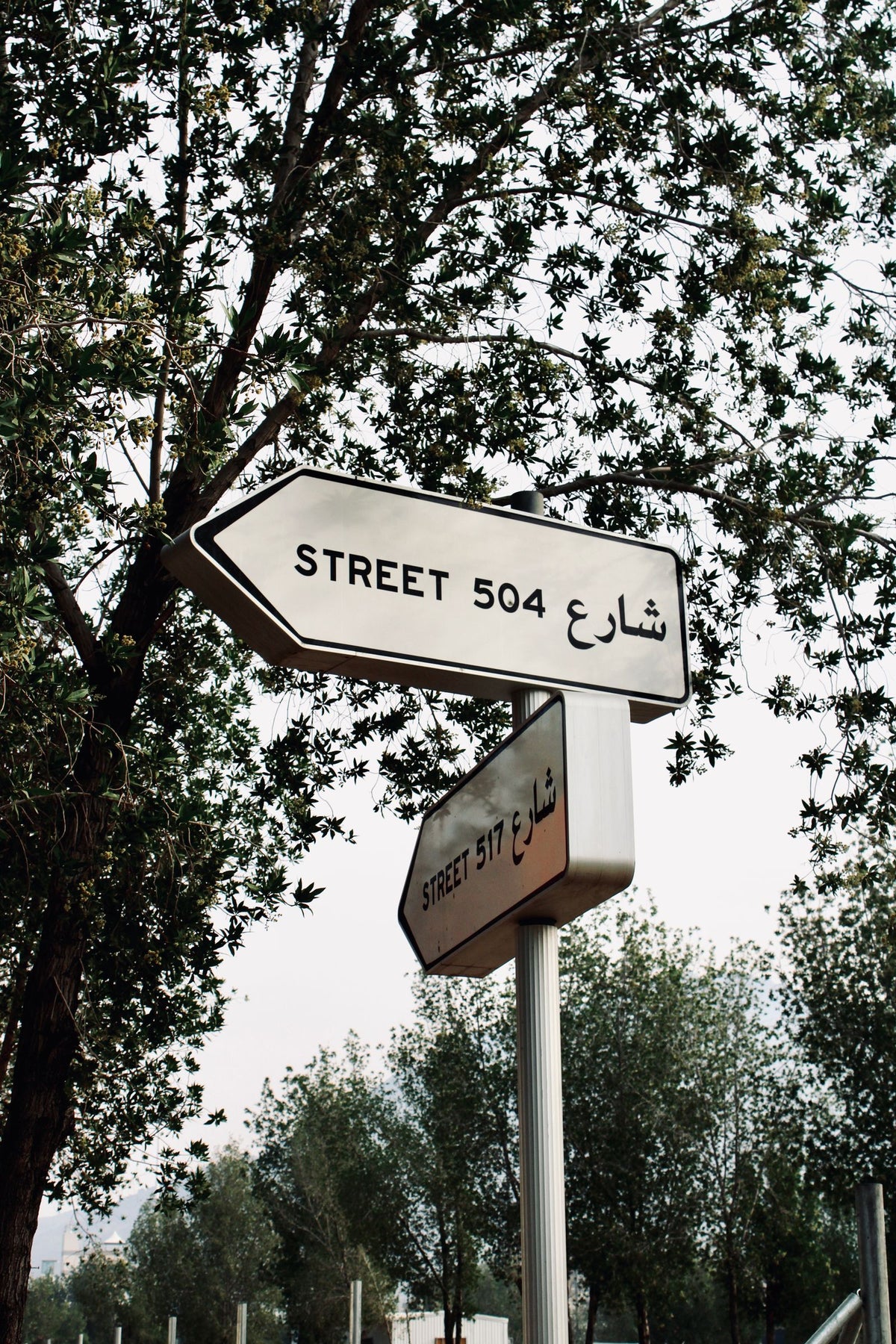
Arabic-First: Localising Your Product, Brand and Marketing for Qatar and the GCC
- بواسطة Falak
Many startups in Doha launch the way they were built: in English, with Arabic promised for "phase two". In Qatar that is both a legal exposure and a missed market. Qatar's Law No. 7 of 2019 on the protection of the Arabic language puts Arabic at the centre of how businesses name and present themselves, and global consumer research shows that most online shoppers prefer to buy in their own language. Getting localisation right early is one of the cheapest growth levers a founder has, provided it is done in the right order.
The Amir issued Law No. 7 of 2019 in January 2019, Gulf Times reported. As summarised by law firm Al Tamimi & Company, the provisions most relevant to companies are:
A French translation of the law published by Université Laval (an unofficial academic source) also shows Article 9 requiring that data and information on Qatari products be in Arabic, with a translation allowed alongside. Founders should note what the law does not clearly say: none of the sources we reviewed states that it applies to websites, apps or invoices of ordinary commercial companies. Do not assume either way; take legal advice for your specific case, and treat the points above as a starting checklist rather than legal advice.
The practical takeaway is simple. Decide your Arabic company name and Arabic brand mark before you print signage or packaging, and register them together. Our guides Own Your Name and Protect It Before You Pitch It cover the registration process.
The strongest evidence is global rather than GCC-specific, so read it as a general signal. In a survey of 8,709 consumers in 29 countries, CSA Research found that "76% of online shoppers prefer to buy products with information in their native language" and "40% will never buy from websites in other languages". The study dates from 2020 and has no separate Gulf cohort, but the direction is clear: language is a conversion factor, not decoration.
Supply is thin, which is the opportunity. W3Techs estimates that Arabic is the content language of about 0.6% of websites whose language it can identify, against 49.5% for English. A well-localised product often competes against English-only alternatives.
Founders usually face three options, and the right choice depends on the brand (general guidance):
Whichever you choose, test it with native speakers across dialects for unintended meanings. Al Tamimi notes that under the law, translations or transliterations of a mark should be owned and used by the same owner, and a mere translation does not create a separate trademark, so file the Arabic and Latin versions together.
Full localisation is expensive. Prioritise the moments where language decides whether someone pays (general best practice):
Arabic is not just translated text; the interface mirrors. Two authoritative references help product teams:
dir="rtl" to the html tag, and "never use CSS to apply the base direction". Use dir="auto" for user-entered text, and logical start/end properties rather than left/right.Build RTL support into your design system early; retrofitting a mature codebase is far more expensive.
Qatar is almost fully online. DataReportal's Digital 2026: Qatar report, based on late-2025 data, counts 3.10 million internet users, or 99.0% of the population, and 2.95 million social media user identities. Its platform advertising-reach estimates (ad audiences, not active users) include Facebook at 2.40 million, YouTube at 2.31 million, Instagram at 1.70 million, Snapchat at 1.24 million and LinkedIn at 1.80 million members. TikTok's reported adult ad reach of 2.95 million exceeds the adult population, a figure DataReportal itself flags as possibly implausible, so treat it as an indication of scale rather than a precise number.
The implication: Arabic creative on video-first platforms reaches most of the market, while LinkedIn matters for B2B. Test channels with small budgets and Arabic-first creative before scaling.
According to the Government Communications Office, Qatar National Vision 2030 aims to "balance modernisation with tradition" and to foster "a diverse and competitive economy" as part of a knowledge-based society that honours its heritage. Arabic-first products serve both goals: they respect a national priority set into law, and they make local startups more competitive across GCC markets where English-only rivals leave room. For founders seeking Startup Qatar support or corporate pilots, a credible Arabic experience also signals that a product is ready for local customers and government buyers.
dir="rtl" and logical CSS properties to your design system now.Photo: Berre Açıkdeniz / Pexels
شارك:
From Us, For Us: How Qatari Producers Can Use National Product Week to Win Shelf Space
MWC26 Doha and ITU PP-26: How Qatar's Founders Can Use Three Weeks of Global Tech Traffic