

- بواسطة Falak
From Us, For Us: How Qatari Producers Can Use National Product Week to Win Shelf Space
- بواسطة Falak
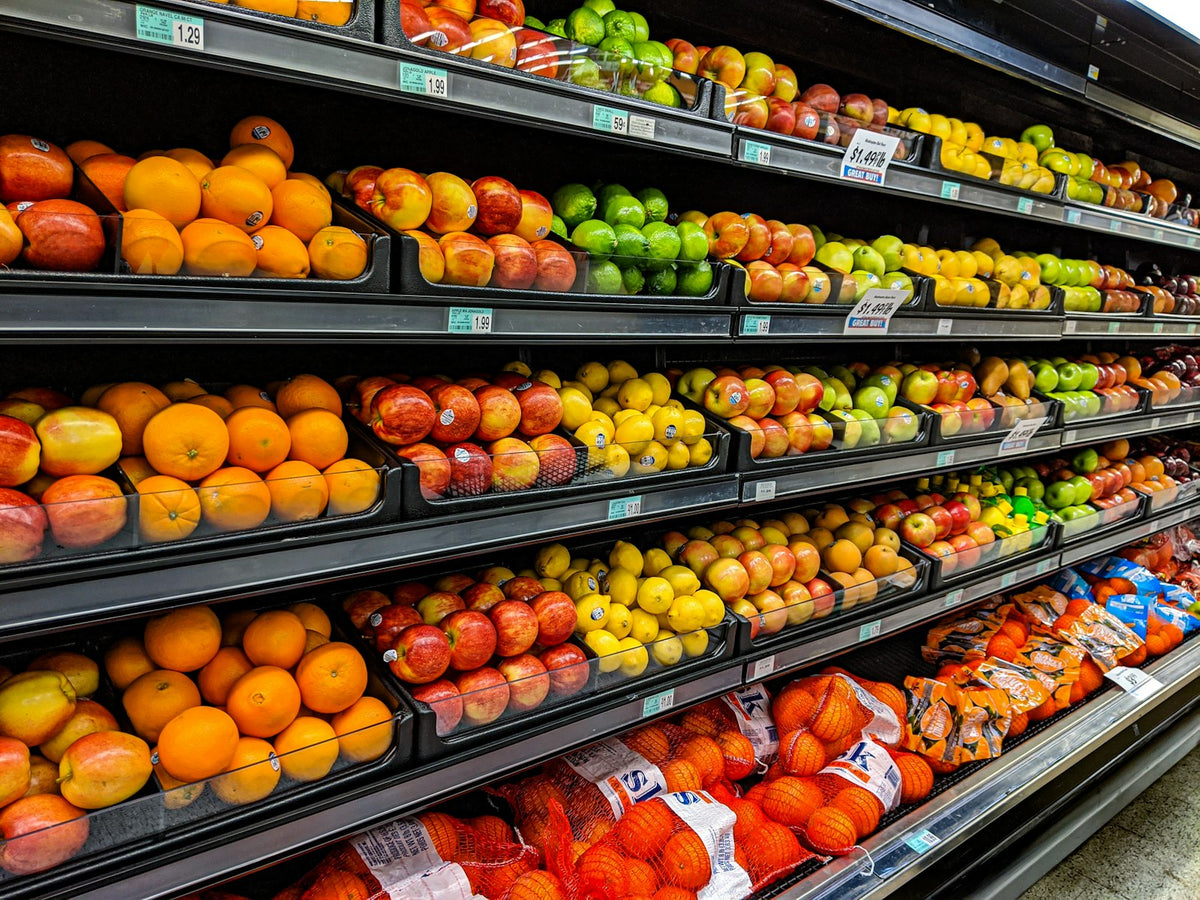
Every Qatari food or consumer-goods producer eventually faces the same question: how do you get from a small factory or kitchen onto the shelves where Qatar's households actually shop? This week the government has opened a door. On 5 November the Ministry of Commerce and Industry (MOCI) opened the 2026 edition of National Product Week under the slogan "From Us, For Us – The Story Begins in Qatar", with dedicated Qatari-product outlets inside major hypermarkets. For producers, the week is less a festival than a live test of what local retail wants, and a chance to meet the officials and retailers who decide what gets listed.
According to QNA, the opening featured a presentation on Qatari products, workshops run by MOCI, the Ministry of Finance and Qatar Development Bank (QDB), and stands from Qatari factories. Dedicated national-product outlets opened at:
MOCI's website lists the week as running 5–12 November. School visits to national factories are planned with the Ministry of Education and Higher Education, a signal that the campaign is also about long-term consumer awareness.
The commercial case is real. Dr. Mohammed Al Bousham Al Sayed, Director of MOCI's National Product Competitiveness Support Department, reported "increases of up to 75 percent in sales of national products" at some participating outlets, as The Peninsula also reported. The week is not new: MOCI ran an edition in February 2025, when it said the number of registered national products had grown from 1,727 in 2023 to 1,815 in 2025, made by 994 factories. That tells you the competitive set: roughly a thousand factories chasing the same shelf space.
Saleh Al Khulaifi, MOCI's Assistant Undersecretary for Industry and Business Development, said domestic industries proved their value during the recent regional crisis and supply-chain disruptions. Retailers learned the same lesson: a local supplier with reliable stock is worth more when imports are uncertain. For a producer, that shifts the negotiation. You are not only selling a product; you are selling supply security.
Domestic retail is also a lower-risk first market than export. Export brings certification, freight and foreign-buyer risk (covered in our guide to how QDB helps SMEs finance, insure and certify exports). Local listings let you prove demand, refine packaging and build sell-through data before you scale.
No official page we found sets out a single application route for joining National Product Week or getting listed through it, so treat the week as a networking and visibility opportunity rather than a formal programme. Several established tools, however, are worth knowing:
Qatari retailers have courted local suppliers before, and the history is a useful guide to what buyers value (these are past initiatives, not current programmes). In 2016 QDB and Al Meera signed an MoU under which Al Meera would stock more Qatari products and promote QDB-supported SME goods, with QDB offering quick-access finance and advisory services. In 2019 Al Meera held a "Made in Qatar" event at Katara for SMEs guided by Bedaya and others, offering free marketing and branding advice; Gulf Times reported that Qatari-made goods were then about 15–20% of what it sold and that it had added 31 Qatari suppliers that year.
The pattern is consistent: retailers want local products, but they reward suppliers who arrive with market-ready branding, dependable volumes and a clear reason a shopper will pick them up.
The following is general retail best practice rather than Qatar-specific rules, and individual retailers set their own terms:
MOCI explicitly ties National Product Week to Qatar National Vision 2030, the Third National Development Strategy (NDS3) and the National Manufacturing Strategy 2024–2030. The strategy targets QAR 70.5 billion in industrial value added and a QAR 36 billion private-sector contribution by 2030, with "advanced food and beverage" among its priority sectors, as The Peninsula reported. Winning domestic shelf space is the most direct way for small producers to contribute to those targets. For the wider picture, see our breakdown of Qatar's National Manufacturing Strategy and where SMEs fit.
Photo: Gemma C / Unsplash
شارك:
$61m Early-Stage, Three Exits: What the IFC–USQBC Study Says Qatar's Ecosystem Needs Next
Arabic-First: Localising Your Product, Brand and Marketing for Qatar and the GCC