Qatar has spent two decades building world-class trade infrastructure: Hamad Port, Hamad International Airport and two free zones sitting next to them. The next question is what gets done with the goods that pass through. In an interview published this month, Qatar Chamber Chairman Sheikh Khalifa bin Jassim Al-Thani urged the private sector to start "positioning Qatar not simply as a transit point, but as a value-creation platform", through regional distribution centres and value-added services such as assembly, packaging and fulfilment. For SMEs and startups, that shift creates work that did not exist when cargo simply arrived and left.
This guide sets out what the policy signals and incentives actually say, where to set up, and the practical ways smaller companies can earn a place in Qatar's logistics value chain.
From moving boxes to adding value
A transit hub earns handling fees. A value-creation platform earns margin on what happens in between: breaking bulk shipments into smaller lots, re-labelling and repackaging for different GCC markets, light assembly, kitting, quality inspection, returns handling and last-mile fulfilment. Each of those steps needs suppliers, software and specialist service providers, and many of them are small-business-sized jobs.
Sheikh Khalifa's remarks, given to Oxford Business Group for The Report: Qatar 2026, also noted that SMEs are "increasingly integrating into major industrial, infrastructure and energy value chains" as suppliers, service providers, technology partners and subcontractors, and called on businesses to "capitalise on Qatar's ports, airports, and free zones" while building trade links with Asia and Africa.
The numbers behind the opportunity
-
Market size. A Qatar TV report summarised by The Peninsula in July 2026 put Qatar's logistics market at more than QR7.5bn, noting that Hamad Port can handle more than 7 million containers a year and that over 2 billion consumers live within a 3,000 km radius.
-
National targets. Under the Third National Development Strategy, the logistics cluster aims for 6.6% GDP growth a year, 2.4% annual labour-productivity growth and QAR 25 billion in re-exports, according to Invest Qatar. Re-exports, not transit volumes, are the headline metric.
-
Cheaper land. In February 2025 the Ministry of Commerce and Industry (MOCI) and Manateq cut leasing rates by up to 50%: logistics parks from QAR 20 to QAR 15 per square metre a year, industrial zones from QAR 10 to QAR 5, and commercial plots from QAR 100 to QAR 50. The rates apply for five years, subject to review, across sites including Jery Al Samur, Al Wakra, Aba Saleel and Birkat Al Awamer logistics parks and the Small and Medium Industries Zone.
-
Investment incentives. The Invest Qatar Incentives Program (US$1 billion over five years, launched May 2025) covers up to 40% of eligible local investment costs in advanced industries, logistics, technology and financial services. Note the threshold: a minimum investment of QAR 25 million over five years, plus job-creation targets. Most SMEs will not qualify directly. They are better placed to win contracts from the larger investors that do.
Free zone or logistics park: where to set up
Qatar Free Zones Authority (QFZ) runs two zones. According to PwC's Worldwide Tax Summaries (reviewed September 2026):
-
Ras Bufontas, next to Hamad International Airport, targets light manufacturing, business services, aviation, emerging technologies and logistics hubs. It suits air-freight-led, time-sensitive goods such as e-commerce parcels, pharmaceuticals and electronics.
-
Umm Alhoul, next to Hamad Port, targets maritime industries, heavy manufacturing, industrial sectors and logistics. It suits containerised, bulky or assembly-heavy flows.
- Both offer 100% foreign ownership and a 20-year tax holiday covering zero corporate tax, zero customs duties and no personal income tax.
The anchor tenants show which way the zones are heading. FedEx Logistics opened a 1,249 sq m regional facility in Ras Bufontas in September 2025, and DHL Global Forwarding followed with a 1,200 sq m distribution warehouse for consolidation on GCC–Africa corridors. In May 2026 QFZ said it had worked with the General Authority of Customs and Qatar Airways on streamlined customs procedures supporting fast transit and re-export, particularly across GCC markets. In June 2026 it held exploratory talks with JD.com on logistics, e-commerce and warehousing. No agreement has been announced.
General guidance: a free zone fits a business whose main market is regional re-export. A business serving mainly Qatari customers may be better placed onshore or in a Manateq logistics park at the reduced rates. Goods moving from a free zone into the local market are generally treated as imports, so confirm the customs treatment with QFZ and the General Authority of Customs before you model margins.
Four ways SMEs and startups can plug in
The following is general guidance based on common logistics-hub business models, not a list of Qatar-specific programmes.
-
Value-added services subcontractor. Large 3PLs often outsource labour-intensive steps such as kitting, Arabic labelling, gift packaging, repackaging and inspection. A small, reliable team with good quality controls can win this work under a service agreement before investing in its own warehouse.
-
Cross-border e-commerce enabler. Brands from Asia and Europe that want to sell into the GCC need landed-cost calculation, local returns handling, cash-on-delivery reconciliation and Arabic customer service. These are service and software businesses that can start asset-light and partner with a free-zone warehouse operator.
-
Supply chain technology. Shipment visibility, warehouse management, customs documentation automation, temperature monitoring for cold chain, and route optimisation all fit the "digital tools for supply chain visibility" the Qatar Chamber chairman highlighted. Pilot with one operator and prove a measurable saving.
-
Specialist supplier to the hub. Packaging materials, pallets, racking maintenance, equipment servicing, facilities management and staffing all grow as distribution centres open. These are less glamorous niches, but often the fastest route to recurring revenue.
Why this matters for Qatar Vision 2030 and NDS3
QFZ explicitly links its investor outreach to Qatar National Vision 2030 and the Third National Development Strategy and their goal of diversifying and strengthening the economy. NDS3 makes logistics one of its named clusters and sets the QAR 25 billion re-export target. Turning that ambition into value-added activity depends on a layer of domestic SMEs that can supply, service and digitise the operations of larger investors. Local SMEs that build these capabilities increase the share of each shipment's value that stays in Qatar.
What to do next
-
Pick one corridor and one product category. For example, Asian consumer electronics into GCC e-commerce, or European food products into the Qatari retail market. Work out where in that flow value is added and who currently does it.
-
Talk to the operators, not just the authority. Approach the 3PLs already in Ras Bufontas and Umm Alhoul and ask what they outsource, what they struggle to staff, and where their customers complain.
-
Compare locations honestly. Model costs under a QFZ licence against a Manateq logistics park at QAR 15 per sq m, including the customs treatment of goods sold locally.
-
Follow the incentive money. Track which companies win Invest Qatar logistics packages; each is a prospective anchor customer for SME suppliers.
-
Start asset-light. Prove demand through a service contract or shared warehouse space before committing to land or a long lease.
Sources
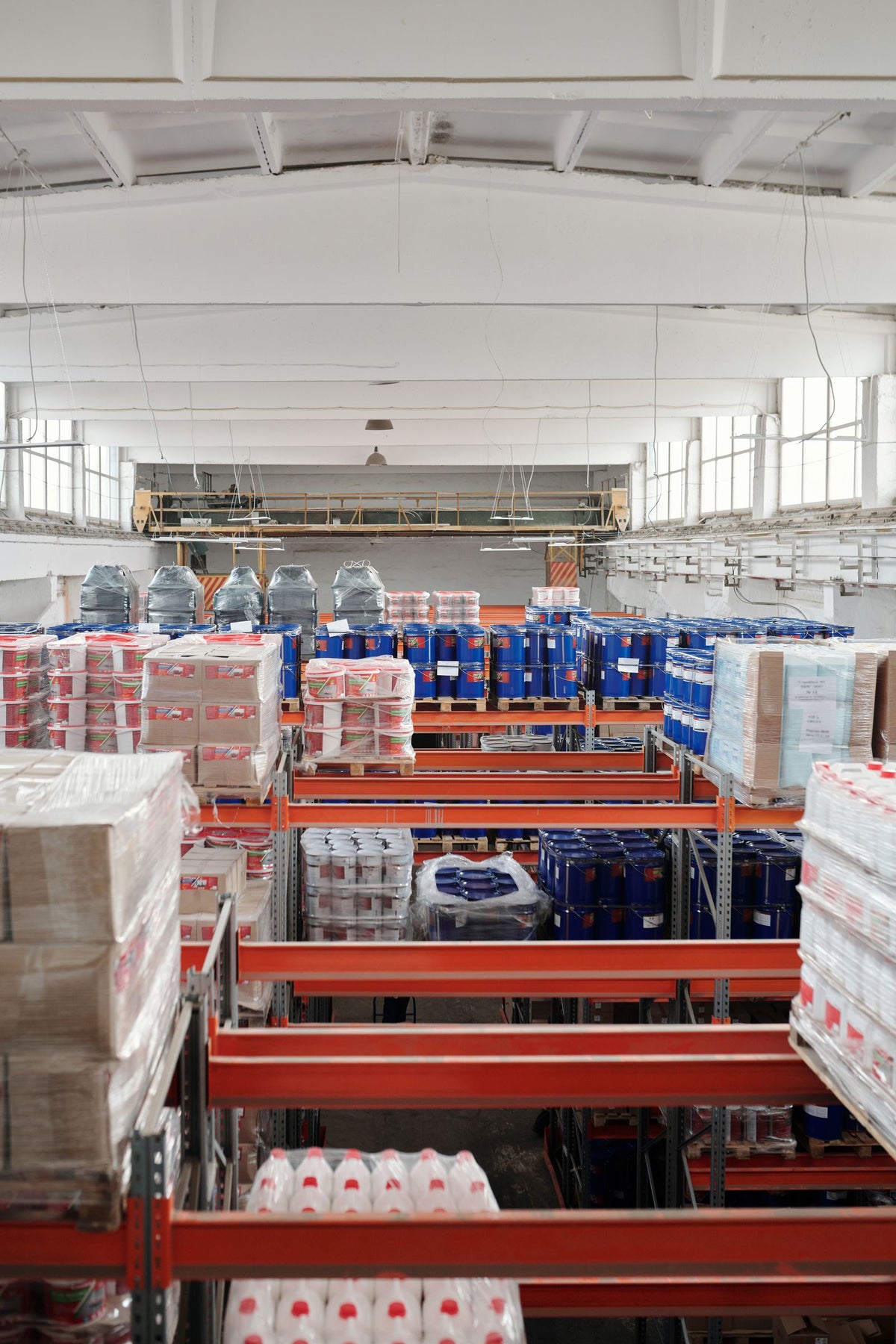
Photo: Tiger Lily / Pexels


Share:
After ROBOTECH 26: A Robotics Pilot Checklist for Qatari SMEs